Dryer Vent Cleaning 101
Fire Prevention & Inspection Guide
Learn why dryer vent cleaning requires a full inspection before pricing. Avoid fire hazards, roof blockages, and airflow issues. Educational guide for Austin homeowners.
🛡️ Trusted
🏆 Verified Platform

Dryer vent cleaning is not just maintenance — it is fire prevention.
Every year, thousands of house fires are linked to clogged dryer vents, restricted airflow, and improper installations. Most homeowners do not realize that lint buildup inside walls and roof exits can become a serious safety risk.
At Air Duct Cleaning 101, We Believe in
Inspection first
Airflow testing
Transparent reporting
Because every dryer vent system is different.
Why Dryer Vent Cleaning is Important
🔥 Fire Risk
- 33% fire caused by dryer vent
- Lint is highly flammable.
- When airflow is restricted, heat builds up.
- Over time, this creates a fire hazard inside walls or attic spaces.
💨 Airflow Restriction
Poor air flow leads to?
- Longer drying times
- Higher energy bills
- Overheating dryers
- Premature appliance failure
🚧 Roof Vent Blockage
In Austin and Round Rock, many homes vent through the roof.
- Lint clogging roof caps
- Bird nests
- Improper screens installed by roofers
- Steep pitch safety concerns

Why Dryer Vent Pricing is Misleading
Many companies advertise:
$99 Dryer Vent Cleaning ⚠️
But no one can accurately price a dryer vent system without inspecting:
- Vent length
- Number of turns
- Roof vs side exit
- One or two story home
- Airflow measurement
- Blockage severity
- Improper duct materials
Professional companies inspect first — then provide pricing based on system condition. That protects the homeowner from bait-and-switch tactics.
What a Proper Inspection Includes
Don’t settle for a “quick look.” A professional evaluation covers five critical areas. What a Proper Dryer Vent Inspection Includes
Exit Location Verification
Is the vent exiting through: Roof, Side wall or Attic (incorrect and dangerous)
Airflow Testing
We use digital anemometers to measure the exact velocity of air before cleaning. This provides a baseline to prove how much restriction is currently present.
Vent Line Evaluation
Checking: Length, Turns, Flexible vs rigid duct and Code compliance
Blockage Identification
Lint buildup, Bird nests, Crushed lines, Improper connections
Safety Assessment
Especially for steep roofs or second-story homes.
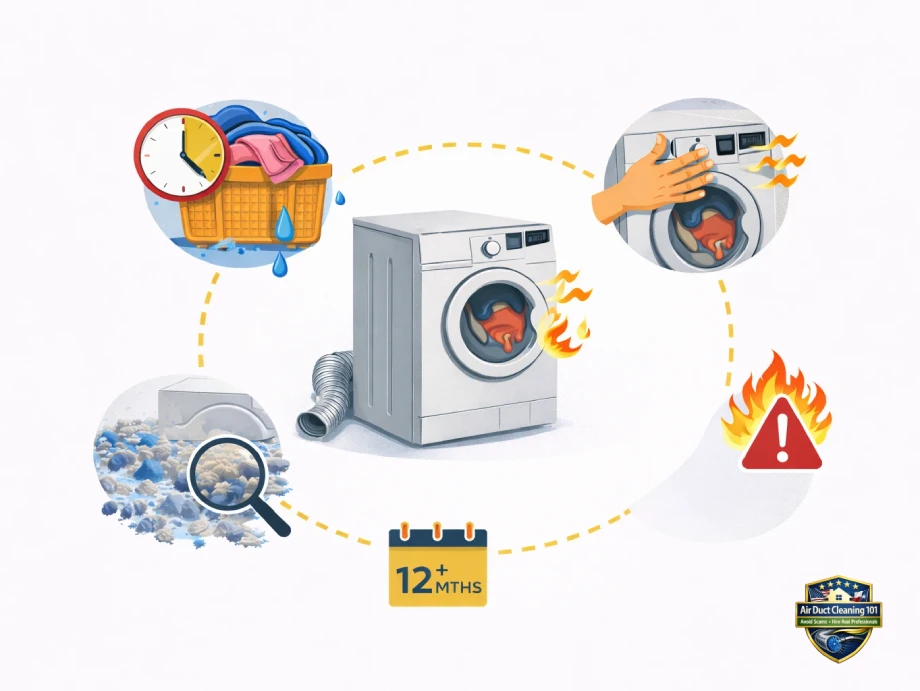
Signs You May Need Dryer Vent Cleaning
- Clothes take longer to dry
- Dryer feels hot to the touch
- Burning smell during operation
- Lint visible behind the dryer
- It’s been over 12 months since last inspection
The Inspection-First Principle
At AirDuctCleaning101.com, we do not promote price tags. We promote:

Understanding The System
Evaluating Airflow

Inspecting Before Quoting
Hiring Qualified Professionals
Dryer Vent Cleaning vs Air Duct Cleaning
Many homeowners confuse the two. Both require inspection before pricing.
Dryer Vent Cleaning
- Removes lint from the dryer exhaust line
- Prevents fires
- Improves appliance efficiency
Air Duct Cleaning
- Cleans HVAC supply and return ducts
- Improves indoor air quality
- Addresses dust and contamination
How Often Should Dryer Vents Be Cleaned in Texas?
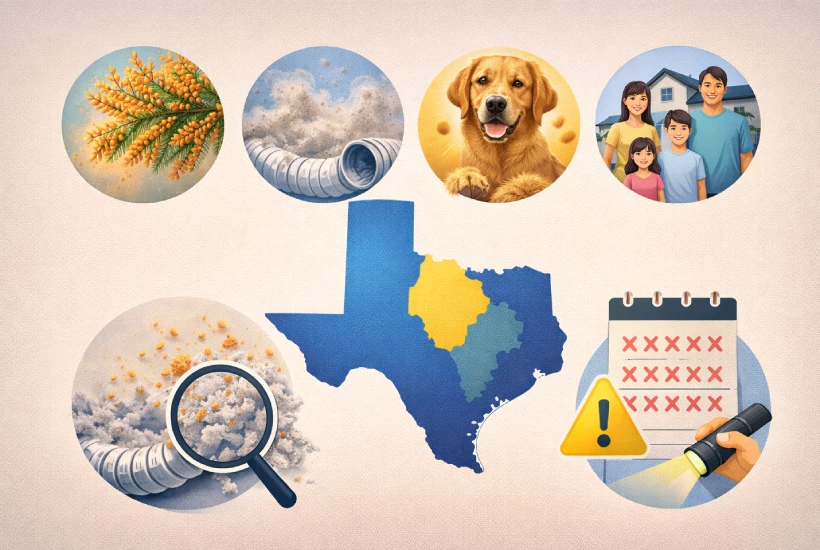
In Central Texas, due to:
- Cedar season
- Dust
- Pet hair
- High usage households
Most homes benefit from annual inspection. Large families or long vent runs may require more frequent checks.
Choosing a Professional Dryer Vent Company
Look For These Signs
- Inspection-based approach
- Airflow testing
- Roof safety procedures
- Before & after documentation
- No misleading flat pricing
Avoid Companies That
- Give price without inspection
- Upsell after arriving
- Refuse to explain airflow results
- Ignore basic safety protocols
- Use "flat-rate" as a hook
Your home’s safety is worth more than a $99 coupon. Choose a technician who treats it as a professional service.
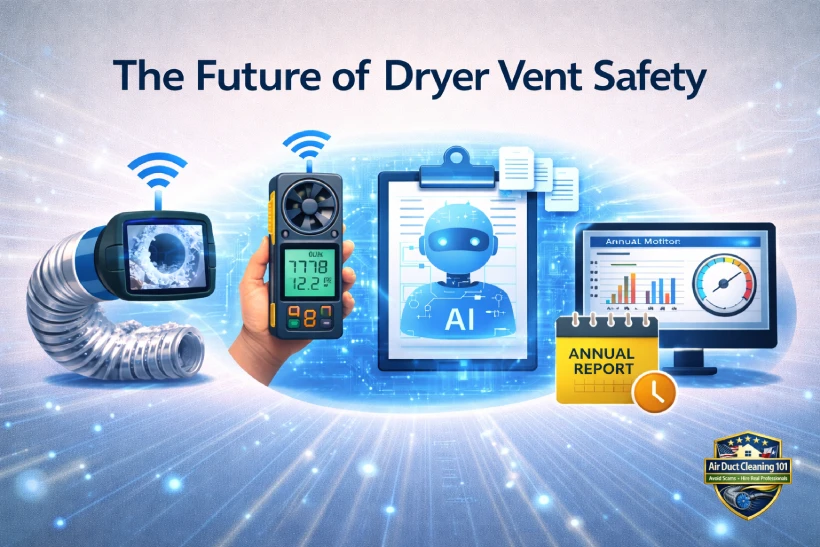
The Future of Dryer Vent Safety
Emerging technology now allows:
- Camera inspection inside vent lines
- Digital airflow measurements
- AI-assisted documentation
- Annual monitoring reports
The industry is shifting toward data-driven safety — not guesswork.